
Debunking Common Myths About Massage Therapy


Introduction
Massage therapy has been practiced for centuries and is known for its numerous health benefits. However, several myths persist that may prevent people from fully embracing this holistic approach to wellness. In this post, we'll debunk some of the most common myths about massage therapy and provide clarity on the subject.

Myth 1: Massage Therapy Is Only for Relaxation
While massage therapy is indeed relaxing, it offers a wide range of health benefits beyond mere relaxation. Many people seek massage to alleviate pain, improve circulation, and enhance flexibility. In fact, it is often used as a complement to other medical treatments.
Studies have shown that regular massage can help reduce symptoms of chronic conditions such as arthritis, migraines, and even anxiety. Therefore, dismissing massage therapy as just a luxury can mean missing out on its therapeutic advantages.
Myth 2: All Massages Are the Same
Another common misconception is that all massages offer the same experience and benefits. In reality, there are numerous types of massage techniques, each designed to address specific needs and preferences. Some popular types include:
- Swedish Massage: Best for relaxation and stress relief.
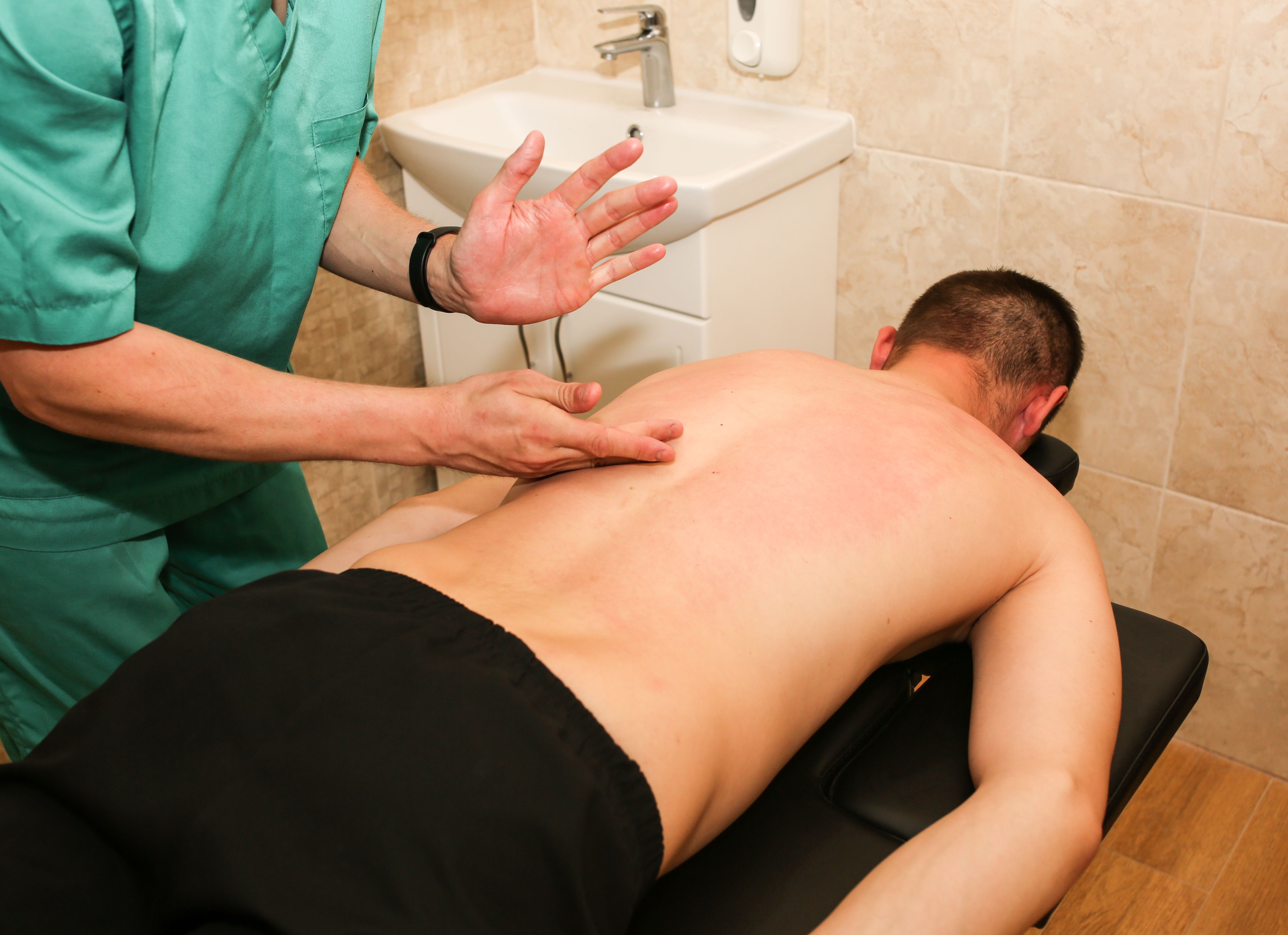
- Deep Tissue Massage: Focuses on deeper muscle layers to relieve chronic pain.
- Sports Massage: Tailored for athletes to enhance performance and prevent injuries.
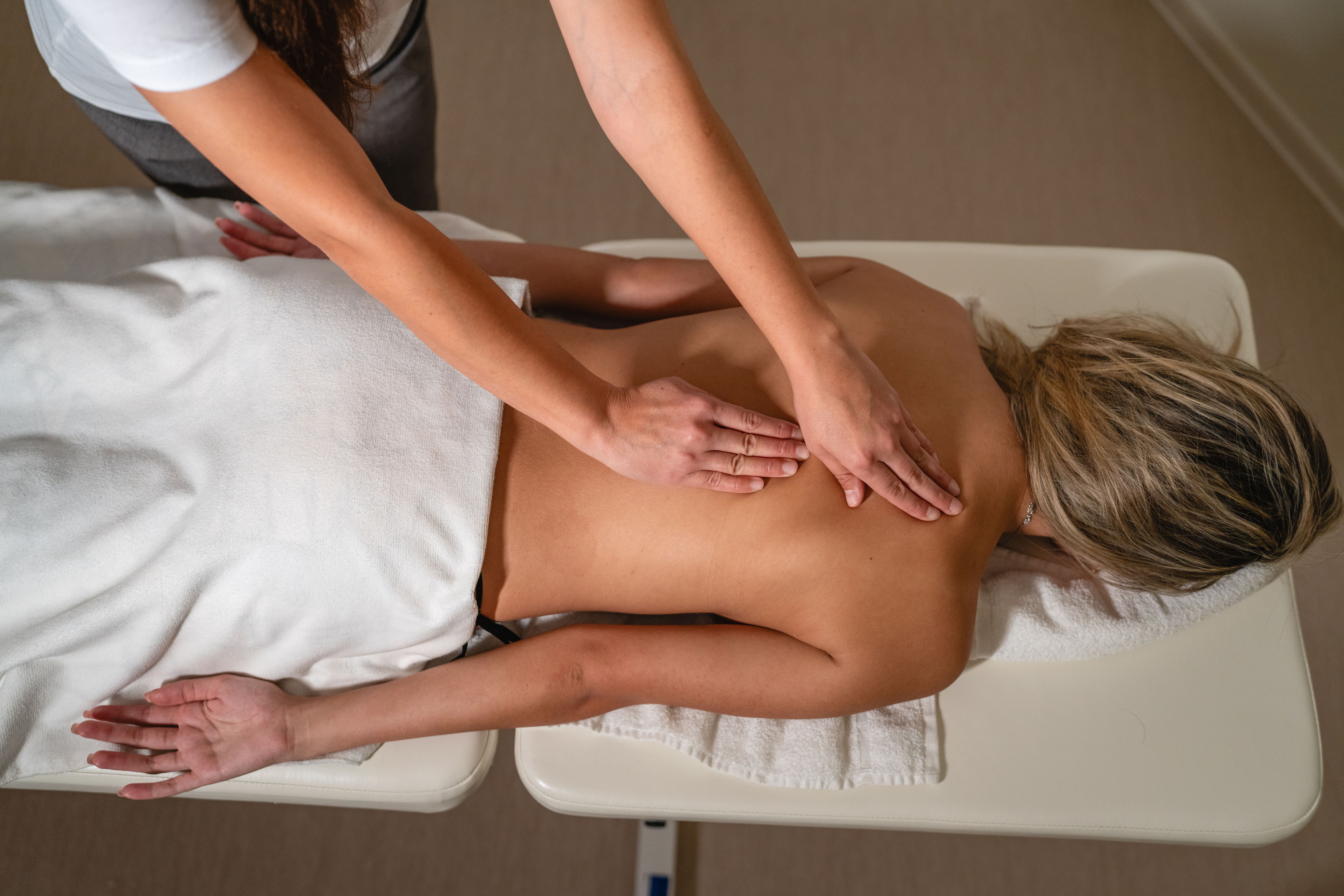
Myth 3: Massage Therapy Is Painful
The notion that massage therapy is painful can be a deterrent for many people. While some methods like deep tissue massage can involve more pressure, a good therapist will always work within your comfort zone. Communication with your therapist is key to ensuring a pleasant experience.
Remember, the goal of massage therapy is to promote well-being and relaxation, not to cause discomfort. Always feel free to speak up if the pressure is too intense.
Myth 4: You Need a Doctor's Referral for Massage Therapy
Many people believe that they need a doctor’s referral to see a massage therapist. While some insurance plans may require a referral for coverage, you can generally book a massage session on your own. It's a versatile wellness option that can benefit anyone, regardless of medical referrals.
Conclusion
Massage therapy is a valuable tool for improving physical and mental health. By debunking these common myths, we hope to encourage more people to explore this ancient practice. Whether you're seeking relief from chronic pain or simply looking to unwind, massage therapy can be a beneficial addition to your wellness routine.